In online shopping, the product is only part of the experience. Long before a customer uses what they ordered, they interact with the packaging. That first physical moment — opening the package, checking the condition of the item, and noticing how everything was presented — shapes how they feel about the brand.
Many businesses focus heavily on product quality, website design, and advertising. Packaging is often treated as a basic shipping requirement. In reality, packaging plays a direct role in customer experience and long-term brand trust.
Why Packaging Matters More Than Most Brands Realize
When a customer receives an order, the packaging is their first real-world contact with the brand. If the package arrives damaged, poorly sealed, or looking cheap, it creates doubt. Even if the product inside is good, the first impression has already been weakened.
On the other hand, packaging that feels secure, clean, and intentional creates a sense of care. Customers notice when a brand has thought about protection and presentation. That small detail builds confidence.
This is especially important for e-commerce brands, where customers cannot touch the product before buying. Packaging becomes part of the proof that the brand is reliable. Businesses looking for dependable custom packaging options often focus on both durability and presentation for this reason.
Common Packaging Problems That Hurt Customer Experience
Many businesses face the same packaging issues:
These problems may seem operational, but customers experience them personally. A damaged item or messy package often leads to returns, complaints, or silent dissatisfaction.
How Better Packaging Improves the Customer Journey
Better packaging supports the customer experience in several practical ways.
1. Product Protection
Strong packaging reduces the risk of damage during transit. When products arrive in good condition, customers are more likely to feel satisfied and less likely to request refunds or replacements.
2. Clean Presentation
Packaging that looks neat and well-finished creates a better unboxing moment. Even simple packaging can feel premium when it is well-structured and thoughtfully designed.
3. Brand Consistency
Custom packaging helps the brand stay visible beyond the website. When customers see consistent branding on the package, it reinforces recognition and professionalism.
4. Easier Handling
Well-designed packaging is easier to open, store, and handle. Small improvements in structure and materials can remove unnecessary frustration from the experience.
The Connection Between Packaging and Brand Trust
Trust is built through repeated positive experiences. Packaging contributes to that process in quiet but important ways.
When customers repeatedly receive products that are well-protected and professionally presented, they begin to associate the brand with reliability. Over time, this consistency becomes part of the brand’s reputation.
Trust is not only about the product working as expected. It is also about whether the brand appears careful, organized, and customer-focused. Packaging is one of the few physical signals that supports this perception.
Practical Packaging Choices That Make a Difference
Improving packaging does not always require complex or expensive solutions. In many cases, better results come from choosing the right format for the product and shipping method.
Some practical options include:
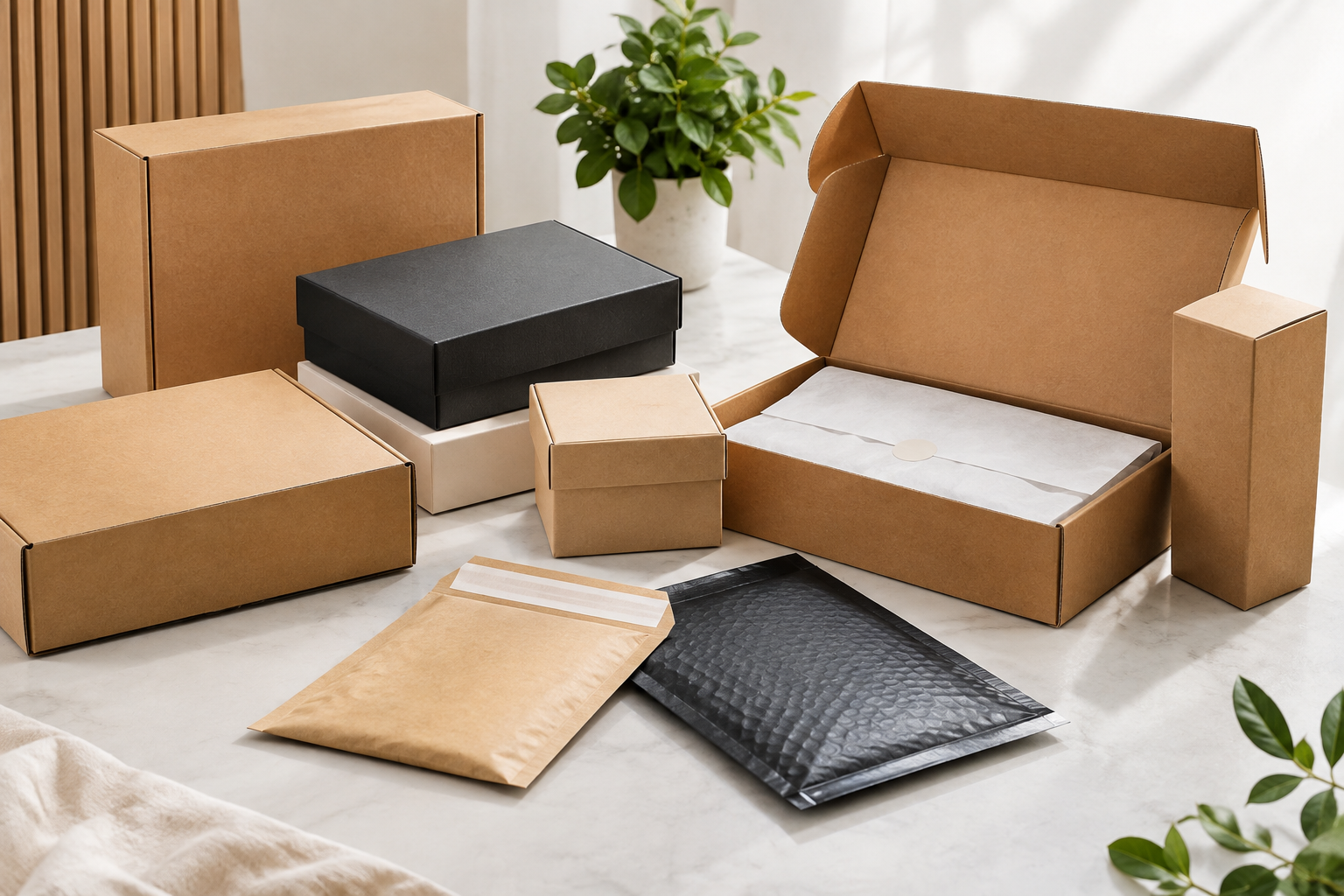
- Custom poly mailers for lightweight products that need strong, flexible protection
- Mailer boxes for items that need structure and a cleaner unboxing feel
- Cardboard boxes for products that require more rigid support
- Branded packaging that keeps the business visible at the point of delivery
For brands that need stronger presentation and structure, working with a reliable rigid box packaging supplier can make a clear difference in both protection and perceived quality. The key is matching the packaging to the product’s needs. Oversized packaging can increase shipping costs and movement inside the box. Undersized or weak packaging increases the risk of damage. Balanced packaging improves both protection and presentation.
What Customers Notice During Unboxing
Customers may not analyze packaging in technical terms, but they notice how it feels.
They notice if the package looks secure.
They notice if the product is well-positioned inside.
They notice if the overall presentation feels intentional or careless.
These small observations influence whether the experience feels premium or ordinary. In competitive markets, that difference can affect repeat purchases and recommendations.
Packaging as Part of the Brand Experience
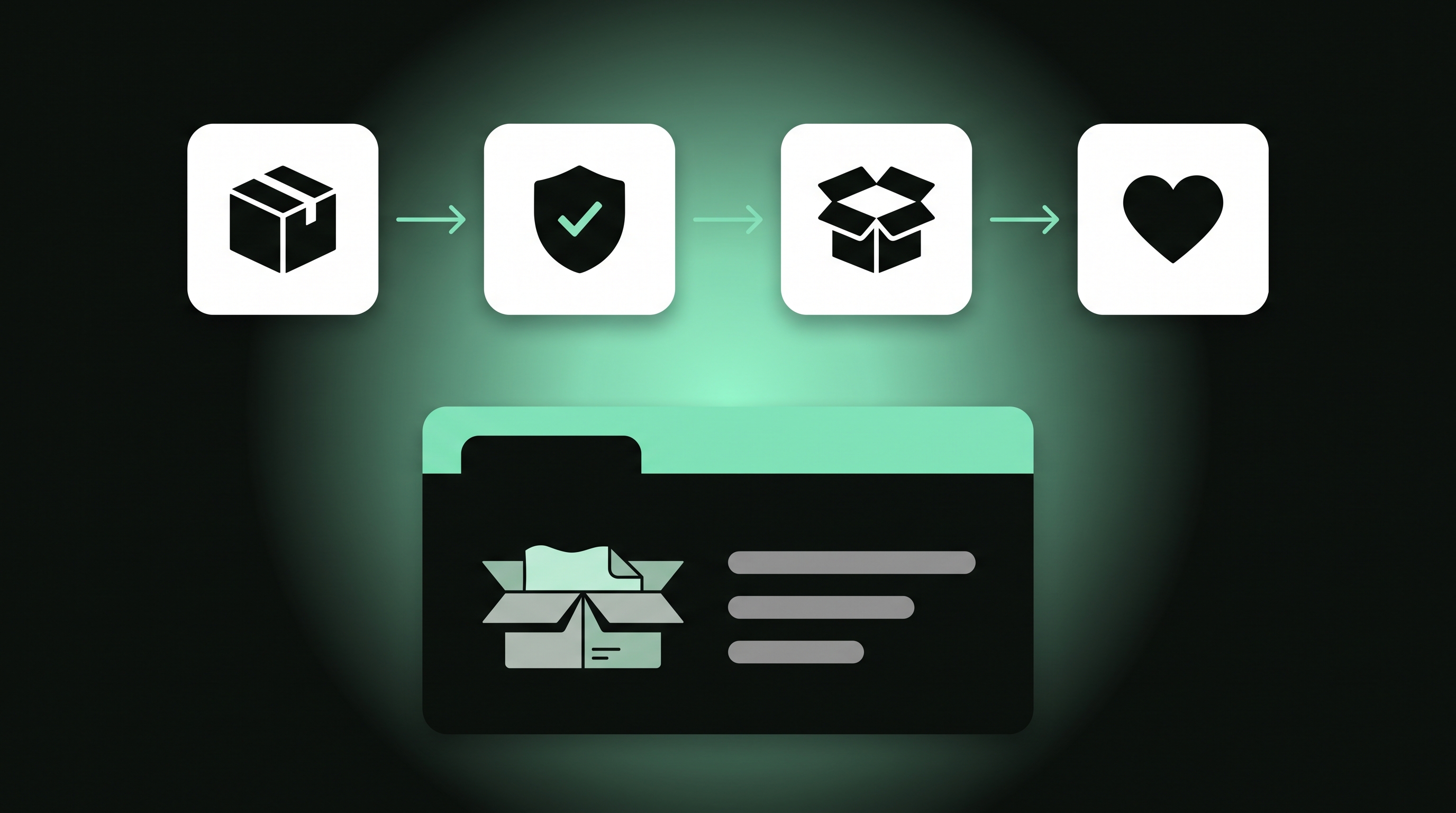
Strong packaging supports the brand at multiple stages:
- During shipping, by protecting the product
- On arrival, by creating a better first impression
- During unboxing, by reinforcing quality
- After the purchase, by supporting trust and repeat business
This is why packaging should be treated as part of the customer experience strategy, not only as a logistics detail.
Final Thoughts
Better packaging does more than move products from one place to another. It protects what the customer ordered, improves the way the brand is perceived, and supports long-term trust.
Businesses that invest in packaging with both strength and presentation in mind are more likely to create smoother customer experiences. In a market where many products are similar, the details around delivery and presentation can become a meaningful advantage.
Packaging is often one of the last steps in the order process, but for the customer, it is one of the first real interactions with the brand. Making that interaction stronger is a practical way to improve both satisfaction and trust.