
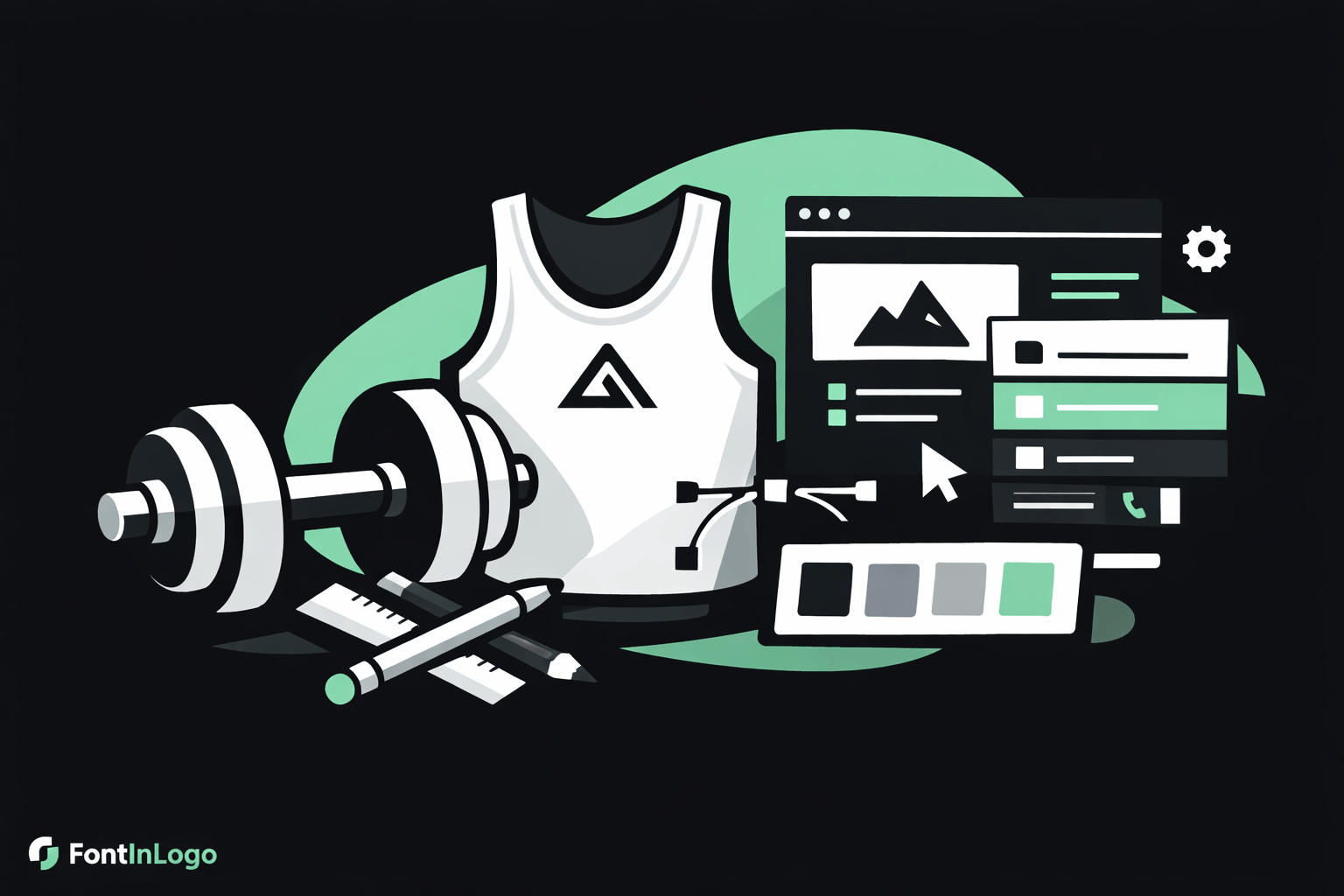
Walk into any serious gym, and you can usually tell within seconds whether it was designed with intention or assembled from stock images and a generic logo generator. The color palette, the wall typography, and the membership card icon. These are not decorative choices. They are communication decisions. They tell every person who walks through the door what kind of place this is and whether it is built for them.
For fitness businesses, visual identity carries disproportionate weight. The industry is saturated. A personal trainer, a boutique studio, and a corporate gym chain may all offer similar services at a surface level. What separates the brands people remember and recommend from those that blend into the background is almost always design.
This guide walks through the core elements of a fitness brand's visual identity: what they are, why they matter, and how to make intentional decisions at each step.
Why Visual Identity Matters More in Fitness Than Most Industries
Fitness is a trust business. Clients are asking trainers and studios to guide them through physical and often emotional transformation. Before that relationship begins, before a prospect has a single conversation, they have already formed an impression based entirely on what they have seen.
Research from the Nielsen Norman Group confirms that users form first impressions of a website in under 50 milliseconds. That snap judgment is driven almost entirely by visual design, not content. For a fitness business, that means your logo, color palette, and typography are making the sale before your pricing page or testimonials ever load.
The strongest fitness brands understand this and invest accordingly.
What Visual Identity Actually Includes
Visual identity is broader than a logo. It is the complete system of visual elements that work together to create a consistent impression across every touchpoint.
The core components are:
- Logo and icon mark: The primary symbol of your brand
- Typography: The fonts chosen for your brand name, headings, and body text
- Color palette: The primary, secondary, and accent colors used consistently across all materials
- Imagery style: The photography, illustration, and iconography approach
- Design system: The rules that govern how all elements relate to each other
Each of these elements carries meaning. Used consistently, they build recognition. Used inconsistently, they erode trust.
Choosing the Right Fonts for a Fitness Brand
Typography is one of the most underestimated elements of fitness brand identity. Most gym owners think about their logo color before their typeface. But the fonts a fitness brand uses communicate personality just as powerfully as visual shape or color.
What Different Font Styles Communicate in Fitness
Bold sans-serif fonts such as those used by major athletic brands convey strength, confidence, and modernity. They are direct and legible at scale, which makes them effective on signage, apparel, and digital interfaces alike.
Geometric sans-serif fonts communicate precision and discipline. They suit performance-focused brands, functional fitness facilities, and coaching businesses that want to project professionalism and expertise.
Humanist sans-serif fonts are warmer and more approachable. They work well for wellness studios, yoga and Pilates brands, and personal trainers whose positioning centers on relationship and community rather than high performance.
Display and custom script fonts can express personality and uniqueness, but they sacrifice legibility at small sizes and can quickly feel dated. They work best as accent typography rather than primary brand typefaces.
Pairing Fonts Effectively
Most fitness brands benefit from a two-font system: a primary typeface for headings and the brand name, and a secondary typeface for body copy and supporting text. The pairing should create contrast without conflict.
A strong example is pairing a bold geometric sans-serif for headlines with a clean humanist sans-serif for body copy. The headlines command attention. The body copy remains readable. Together, they communicate both strength and accessibility.
Avoid using more than two or three typefaces across your brand. Typography coherence is a hallmark of professional design. Fragmented font usage signals a brand that lacks intentional direction.
Building a Color Palette That Works Across All Touchpoints
Color carries immediate emotional associations that shape how people feel about a brand before they consciously process it.
In fitness branding, the most commonly used colors are not accidental:
- Black and dark neutrals: Communicate premium positioning, strength, and sophistication. Used extensively by performance-focused brands targeting serious athletes.
- Red and orange: Energy, urgency, and intensity. Common in HIIT studios, boxing gyms, and high-performance training environments.
- Blue: Trust, calm, and reliability. More common in health-focused wellness brands and corporate fitness programs than in gym environments.
- Green: Natural health, vitality, and balance. Works well for outdoor fitness brands, nutrition-focused coaching, and holistic wellness studios.
- White and minimal palettes: Cleanliness, modernity, and luxury. Often used by premium boutique studios to differentiate from heavier, more aggressive gym aesthetics.
Building a Practical Color System
A functional brand color palette includes:
- One primary brand color (the dominant, most recognizable color)
- One or two secondary colors (supporting tones that complement the primary)
- One neutral (usually a dark or light tone used for backgrounds and text)
- One accent color is used sparingly for calls to action and emphasis
Every color decision should work equally well in digital formats, print, signage, and on apparel. Testing your palette in black and white is a useful exercise. If the design still communicates clearly without color, the underlying structure is strong.
Logo Design for Fitness Businesses
The logo is the anchor of the visual identity system. Every other design decision either supports or undermines what the logo communicates.
For fitness businesses, there are three broad logo approaches worth considering:
Wordmark logos use only the brand name in a chosen typeface. They work well for personal training businesses and boutique studios where the brand name itself carries meaning or personality. They scale well across digital and physical applications.
Symbol or icon logos pair a graphic mark with the brand name. The symbol can be used independently once the brand gains recognition. This approach gives brands flexibility across contexts where a full wordmark may not fit, such as app icons, embroidery, or small-scale print.
Combination marks integrate the symbol and the wordmark into a unified design. They are versatile and give newer brands the benefit of both name recognition and a distinctive visual mark from the start.
For a comprehensive walkthrough of how to approach fitness logo design at each stage of brand development, this fitness business logo guide covers everything from initial concept to final execution, including practical advice on color selection, font pairing, and adapting logos across different applications.
Applying Visual Identity Consistently Across Your Fitness Business
Designing a strong logo, choosing the right fonts, and building a thoughtful color palette is only half the work. The other half is applying those elements consistently enough that your brand becomes visually recognizable.
The Touchpoints That Matter Most
For a fitness business, the highest-impact visual touchpoints are:
- Website: The first place most prospects encounter your brand in depth. Typography, color, photography, and layout all need to align with the identity you have built.
- Social media: Every post, Story, and profile image is a brand impression. Templates and preset color and font guidelines make consistency achievable without having to start from scratch each time. Using a digital brochure maker can further streamline the creation of visually consistent assets that align with your brand across platforms.
- Signage and physical space: For studios and gym facilities, the physical environment is the brand experience. Wall graphics, wayfinding, and equipment branding should all speak the same visual language.
- Apparel and merchandise: Wearable branding extends your brand into daily life and builds community identity among members.
- Client-facing digital tools: The apps and platforms you use to manage and communicate with clients also carry brand impressions.
Platforms like FitBudd, which give fitness professionals their own white-labeled app, allow coaches and studios to carry that visual identity directly into the client experience.
When a client downloads an app that reflects the same design language as the studio they trained at, brand recognition compounds over time. The training experience and the brand experience become indistinguishable.
The same argument holds in any trade with a narrow audience. A building contractor, for example, gets far more out of web design built around a single industry than out of a general-purpose template, for exactly the reason a boutique studio should not look like a corporate chain: the visual language has to match what that particular audience already reads as credible.
The Most Common Visual Identity Mistakes Fitness Brands Make
- Using stock fitness imagery that looks identical to every competitor: generic athletes in generic lighting, in generic gym settings, communicate nothing distinctive. Invest in original photography or develop a clear illustration style that belongs only to your brand.
- Choosing colors and fonts based on personal preference rather than audience resonance: Your visual identity is not for you. It is for the clients you want to attract. Research what resonates with your target demographic before making decisions.
- Updating the logo without updating the system: A new logo dropped into an unchanged design environment creates visual incoherence. Changes to the primary logo should trigger a review of all supporting visual elements.
- Treating visual identity as a one-time task: Strong brands evolve their visual systems over time while maintaining the core elements that make them recognizable. Build a living brand system, not a static logo file.
Final Thoughts
For designers working with fitness clients, and for fitness business owners building their own brand, the principles are the same. Visual identity is a long-term asset. The decisions made early about fonts, colors, and logo structure shape how an audience perceives and remembers the brand across years of touchpoints.
Get the fundamentals right. Be intentional about every visual choice. Apply those choices consistently. And resist the temptation to redesign from scratch every time something feels stale. Consistency, over time, is what turns a logo into a brand.