
University spirit used to be defined by hand-painted banners and patches, but today, your campus identity lives online. If your student organization's mascot is stuck as a pixelated JPEG from 2005, it is time for an upgrade.
Managing this digital transition while juggling coursework can be daunting. Just as you might seek qualified writers for your discussion post to handle academic pressure during busy weeks, you need to approach your visual identity with similar efficiency. Digitalizing your logo is not just about scanning a drawing; it is about creating a versatile, professional asset that ensures your school spirit looks sharp on every platform, from Instagram to merchandise.
Understanding the Goal: Raster vs. Vector
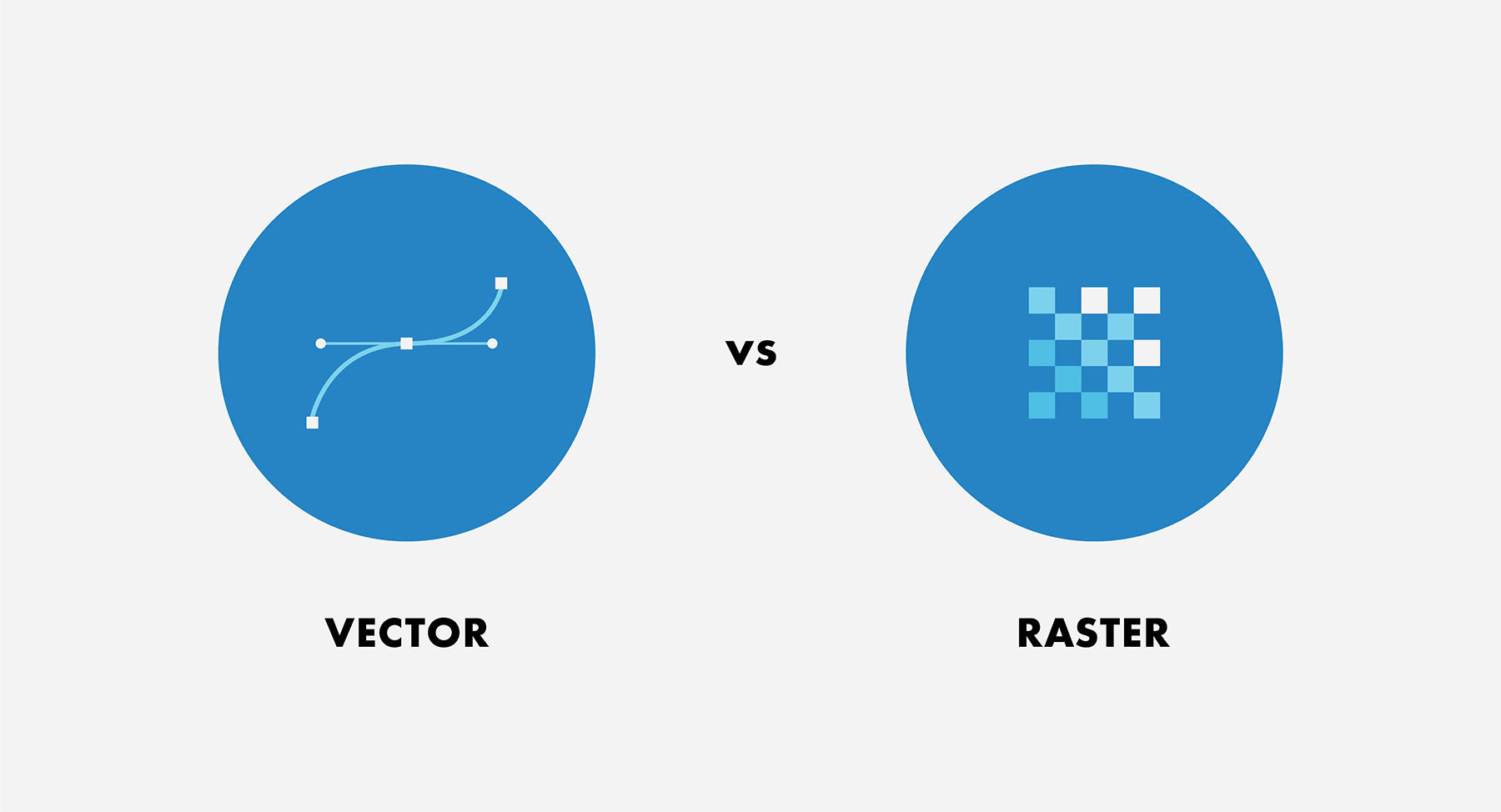
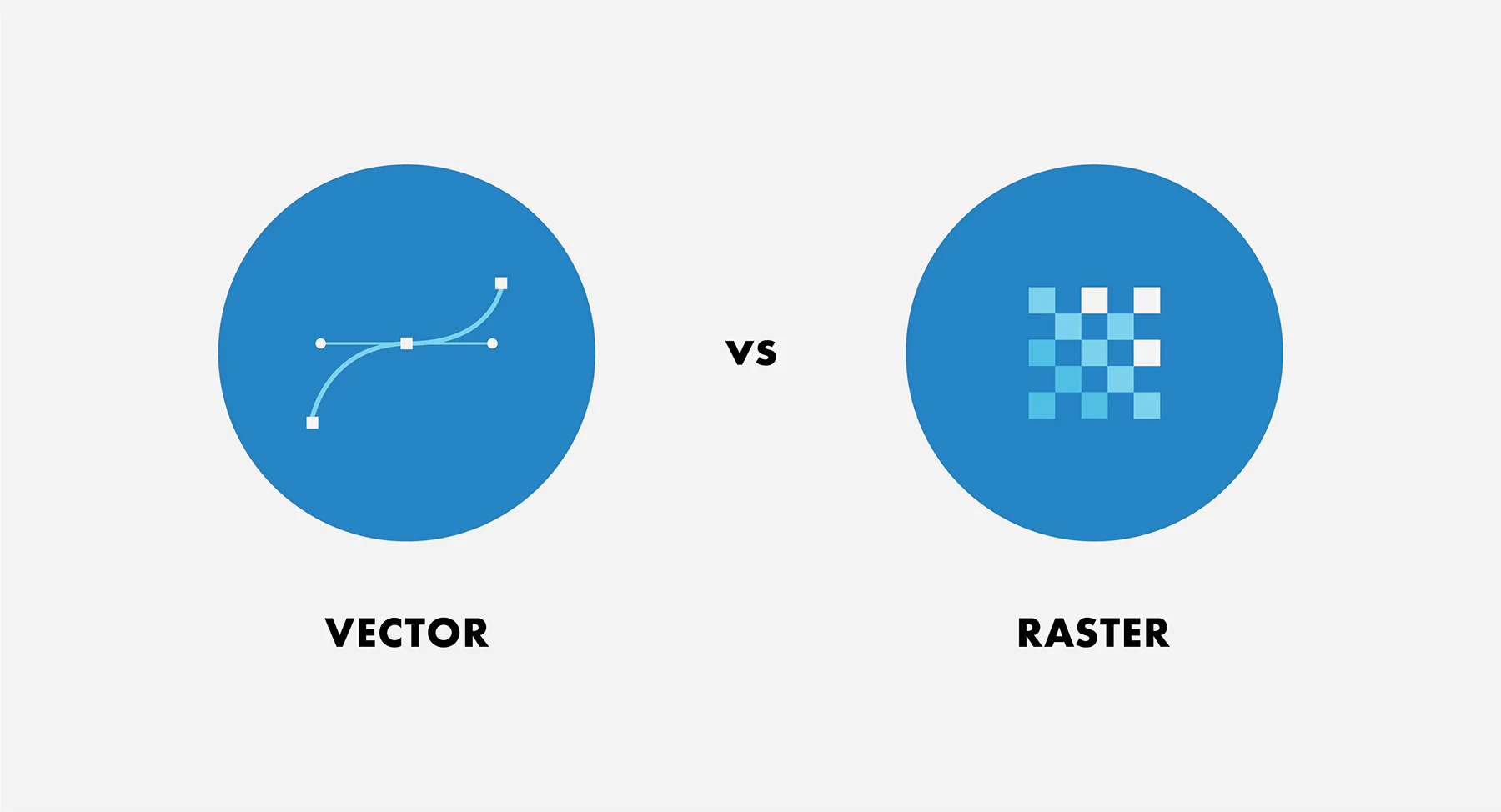
The first step in digitalizing a mascot is understanding what you are actually trying to create. Most beginners make the mistake of simply scanning a drawing or taking a high-quality photo of it. The result is a "raster" image, constructed entirely from a fixed set of pixels. While it might look okay on a small screen, if you try to blow it up for a banner or print it on a t-shirt, it will become blurry and blocky.
Digitalization aims to build a "vector" image, which relies on geometric paths, like curves and coordinates, rather than a fixed pixel grid. A vector logo can be scaled down to the size of a business card or up to the size of a billboard without losing a single ounce of crispness. To truly digitalize your mascot, you are not just capturing the image; you are rebuilding it mathematically.
The Digitalization Workflow
Step 1: The Clean-Up and Trace
If your starting point is a hand-drawn sketch or an old, low-quality digital file, you need to prepare it for the vectorization process. Start by getting the highest resolution version possible. If it is a drawing, scan it rather than photographing it to avoid perspective distortion and shadows.
Once you have your source image, import it into vector software like Adobe Illustrator, CorelDRAW, or free open-source alternatives like Inkscape. The process involves using the "Pen Tool" to manually trace over the lines of your artwork. While many programs offer an "Image Trace" or "Auto-Trace" feature, these rarely produce professional results for logos. Auto-tracers tend to create jagged edges and unnecessary anchor points that make the file messy. Taking the time to manually trace your curves ensures that the "spirit" of the mascot is preserved with clean, deliberate geometry.
Step 2: Simplifying for the Screen
Digitalization is the perfect opportunity to modernize. A mascot illustration drawn for a physical mural often has too much detail, like cross-hatching, complex shading, or tiny text, that disappears or looks muddy on a smartphone screen.
When digitalizing, apply the principle of reduction. Ask yourself: "If this logo was the size of a fingernail, would I still recognize it?" You may need to remove fine lines, combine shadow shapes into solid blocks of color, and open up the spacing between letters. This is often referred to as "flat design." By removing gradients and 3D effects, you create a bold, timeless look that loads faster on websites and is cheaper to screen print on merchandise.
Step 3: Color Correction
Colors look different on a screen (RGB mode) than they do in paint or ink (CMYK mode). When digitalizing your school colors, you cannot simply eyeball them. You need to standardize your palette to ensure consistency.
- RGB (Red, Green, Blue): Use these values for anything that will live on a screen, such as social media, newsletters, and websites.
- CMYK (Cyan, Magenta, Yellow, Key/Black): Use these values for physical items like flyers, business cards, and merchandise.
- Hex Codes: These are six-digit codes (e.g., #003366) used specifically for web design.
Defining these exact color codes during the digitalization process ensures that your university blue doesn't look like purple on one student's laptop and navy on another's phone.
Step 4: Responsive Logo Design
In the digital age, one size does not fit all. A truly digitalized mascot helps you build a "responsive logo system." This means creating variations of your logo for different contexts.
- The Primary Logo: The full mascot with the university name and tagline. Used for letterheads and large banners.
- The Secondary Mark: The mascot alone or a stacked version of the logo. Used for social media posts or t-shirt pockets.
- The Favicon/Icon: A simplified element, such as just the mascot's head or a single letter. Used for browser tabs, app icons, and profile pictures.
Preserving the Legacy
Digitalizing a logo is not about erasing history; it is about ensuring that history survives. By converting physical artifacts into clean, scalable digital files, you ensure that your visual legacy can be shared instantly across the globe. Whether it is for a fundraising website or a viral TikTok video, a polished, vector-based mascot allows your school spirit to travel further and look better than ever before. It is an investment of time that pays dividends in professionalism and pride for years to come.
