What Makes a Digital Platform Engaging in the Modern Tech Landscape
Why people stay on some platforms and leave others: speed, personalization, low friction, live connection, community, rewards and trust.
November 25, 2026
Why people stay on some platforms and leave others: speed, personalization, low friction, live connection, community, rewards and trust.
November 25, 2026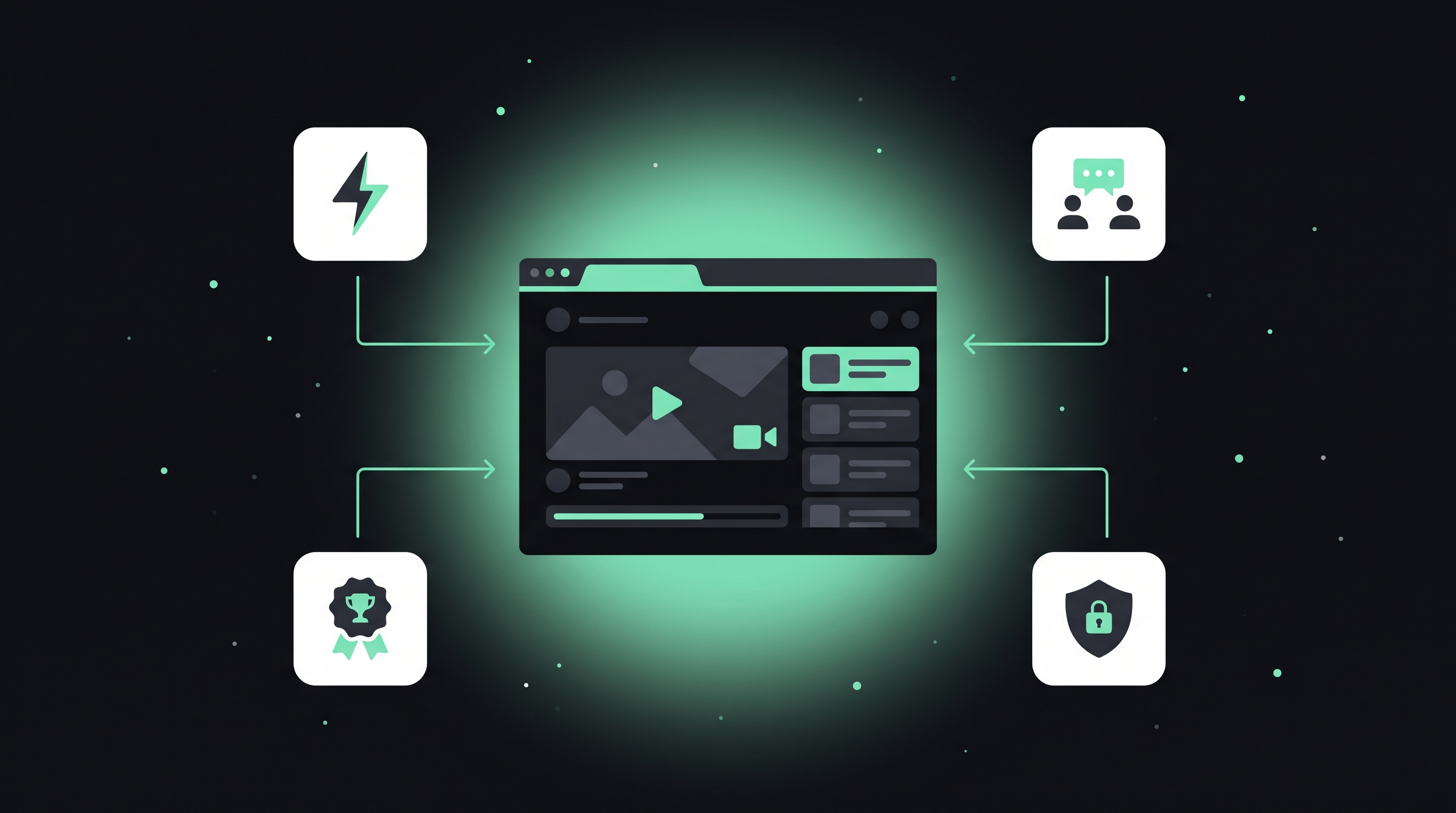
Simply go to any app store and you'll see thousands of products competing for the same limited resource: your time. With today's technology, it is easy to build a platform. Retaining people on it? That's the difficult part.
But the crowds... are enormous. According to DataReportal's 2026 overview, the world has a total of 5.66 billion social media users, which represents more than 68% of the global population, and the average active user spends approximately 2 hours and 39 minutes a day on social media. So, why do people remain on certain websites and leave after a week?
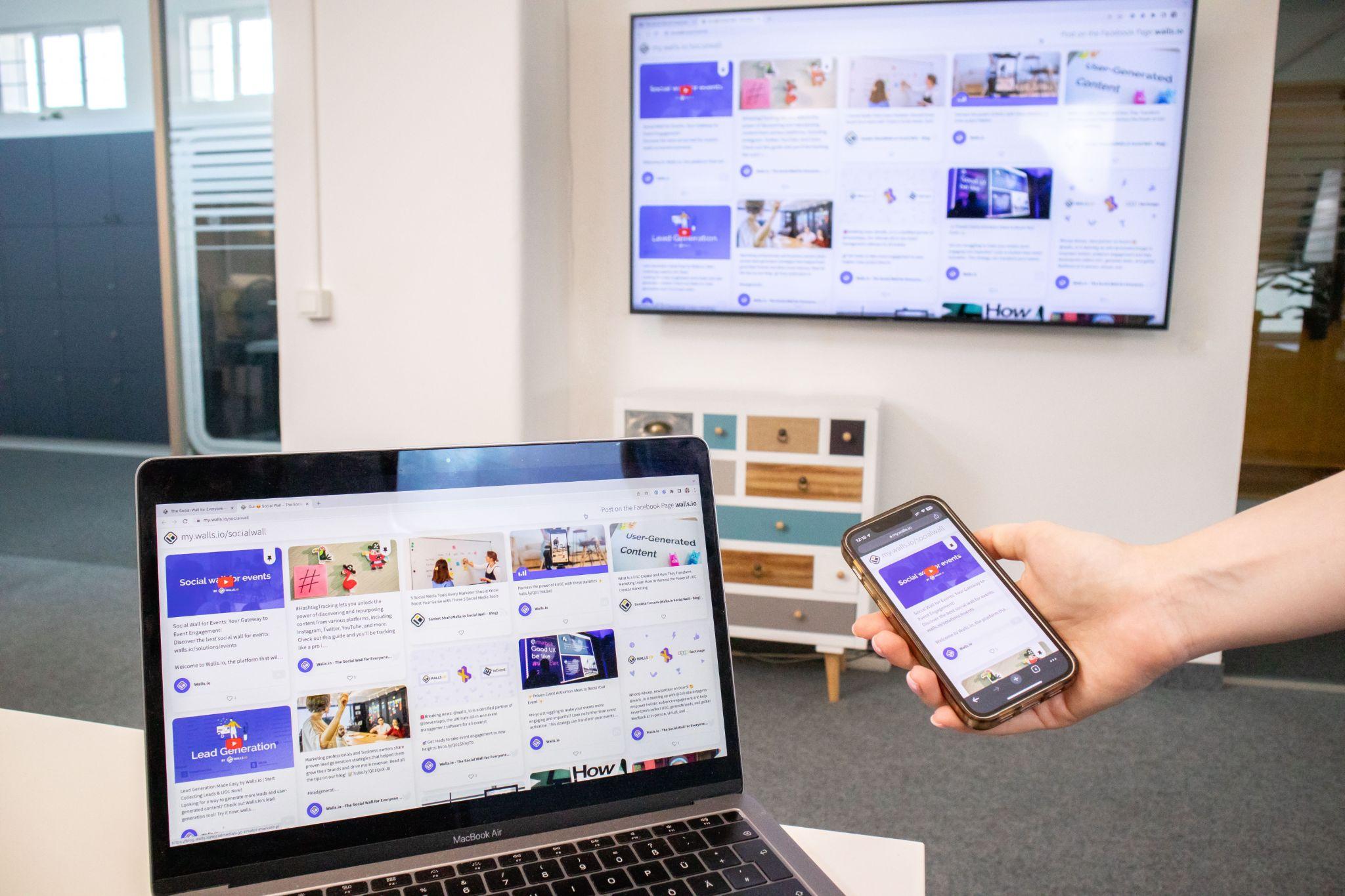
Let's look at your own cell phone, for instance. A carrier for family. The evening's entertainment will be a stream. All these are digital platforms and on the surface, they appear nothing alike.
Still, there are a few habits they have in common under the surface. When you see them, you see the same stencils all over the place, at a small hobby forum or on a worldwide giant.
People describe the characteristics of digital platforms in different ways, but the strongest ones tend to share these traits. Here's the short list, and we'll unpack each one below:
No one sends a love letter to a quick application. They simply move on and leave the slow one. Google's research has always indicated that 53% of mobile visitors leave a page that takes more than 3 seconds to load, and no one's gotten more patient since.
Speed isn't only about loading, either. Every little moment is a subtle "nope": search result times, starting times for videos, delivery of messages etc., and steps during checkout. Happy Users don't care about performance. Satisfied ones are oblivious to anything else.
McKinsey discovered that their customers felt that 71% of companies are providing personalized interactions, and that 76% are frustrated when companies don't. People want a feed, a playlist or a shop window that kind of understands them, at least a little bit.
The trick is balance. If you find a good show in a recommendation without you stumbling on it, it's like magic. Following you around for a week is annoying like stalking. McKinsey also points out that personalization generates around 40% more revenue for faster growing companies than for the slower growing ones, and the upside can be substantial when done properly.
Have you ever abandoned a sign up form at the fourth step of a password? Most of us have.
Platforms that are good ask for little. One tap to start and no maze of menus. Some even permit you to have a look around before you commit. Each additional step is a little door through which people walk out, and they do. The first minute is usually the most critical of a match, either for or against a player.
This is something that's easy to take for granted: another human being's live presence. Algorithms may feed the content all day, but they can't replicate the conversation's “feel.” That's why live video, voice rooms and instant chat are continuing to gain traction across all ages.
OMGFun is a good example of a platform built around exactly this idea. As an Omegle site alternative, it puts the live conversation at the center of the whole experience: you meet new people on video, and no two chats go the same way. That unpredictability is the hook, and it's what brings people back for another round.
People don't stick around for features. They stay for each other. A group chat, a hobby forum, a gaming guild, a comment section with regulars can convert visitors into members.
How much as design here is moderation. A space can be safe for speaking up with clear rules, active moderators and easy block and report tools. If they don't, the loudest voice prevails and all others are left without a word.
Progress bars are enjoyed by people. Language apps reward you with streaks, fitness apps with badges, and games with levels. Every cue gives a little bit of satisfaction and a reason to come back the following day.
It is best suited when a tangible objective is rewarded. The badge upon completion of a lesson is a felt accomplishment. A pop-up asking you to "claim your gift" sounds like a pressure tactic and pressure will get them to close the tab.
There are no one-screen dwellers. Typical person uses about six and a half social platforms per month, according to DataReportal, and people don't even think about hopping from phone to laptop, to tablet. When the place on a platform slips when switching devices, so do your patience.
The inclusion of accessibility is welcome too! Readable text, video captioning, keyboard access and logical color contrast open the door to millions of people who otherwise would be barred from participating. It is an ethical and, indeed, good business thing to do.
If there is no trust in the engagement, it will not endure. Users are asking more and more where their data is being retained, who can view their chats and if an application is designed to make them endlessly scroll. The regulators are asking too. In the EU, the European Parliament has adopted recommendations to raise the age requirement for social media to 16 and completely remove addictive functions like infinite scrolling for minors. In Australia, the government has been the first to take an action to ban social media altogether for children under the age of 16.
Smart platforms are ahead of the curve. They have explicit privacy controls, screen time reminders and transparent information about how recommendations are made. Healthy engagement is one that you'd be okay about telling a friend about.
An engaging platform isn't a pile of clever tricks. It's fast, it knows you a little, it's easy to enter, it connects you with real people, and it respects your time. Miss one of those and the rest have to work much harder.
If you're building or choosing a platform, run it through the list. Does it save you effort? Does it feel human? Would you still like it once the novelty fades? Platforms that answer yes tend to be the ones still around five years from now.